Corporate travel in 2026: The trends you need to be aware of
We’re heading into 2026, and business travel is settling into a new rhythm. There won’t be any dramatic booms, busts or big announcements, rather a steady evolution into a new way of managing corporate travel.
Companies have already begun to recognise the need to balance cost control, traveller well-being and climate commitments, adopting smarter tech in a bid to keep trips more efficient and meaningful.
This shift looks set to continue over the next year, with a greater move towards AI, sustainability and more purposeful travel. With that in mind, here are the corporate travel trends you should be aware of in the new year.
1. AI is becoming the backbone of travel operations
In 2026, AI is quickly moving from a “nice-to-have” add-on in corporate travel planning to an operational essential.
Lots of travel programmes and agencies are increasingly relying on AI tools to personalise itineraries, enforce policy compliance and automate routine tasks such as bookings, approvals and managing expenses.
For example, AI-powered booking assistants can match traveller preferences to company policy to ensure the best trip for the employee, whilst staying compliant at every stage. Similarly, predictive analytics help travel teams anticipate delays or potential disruptions, saving time and reducing stress.
By embracing AI, businesses can achieve a more efficient process from planning to reimbursement.
2. Seamless, contactless journeys will become the norm
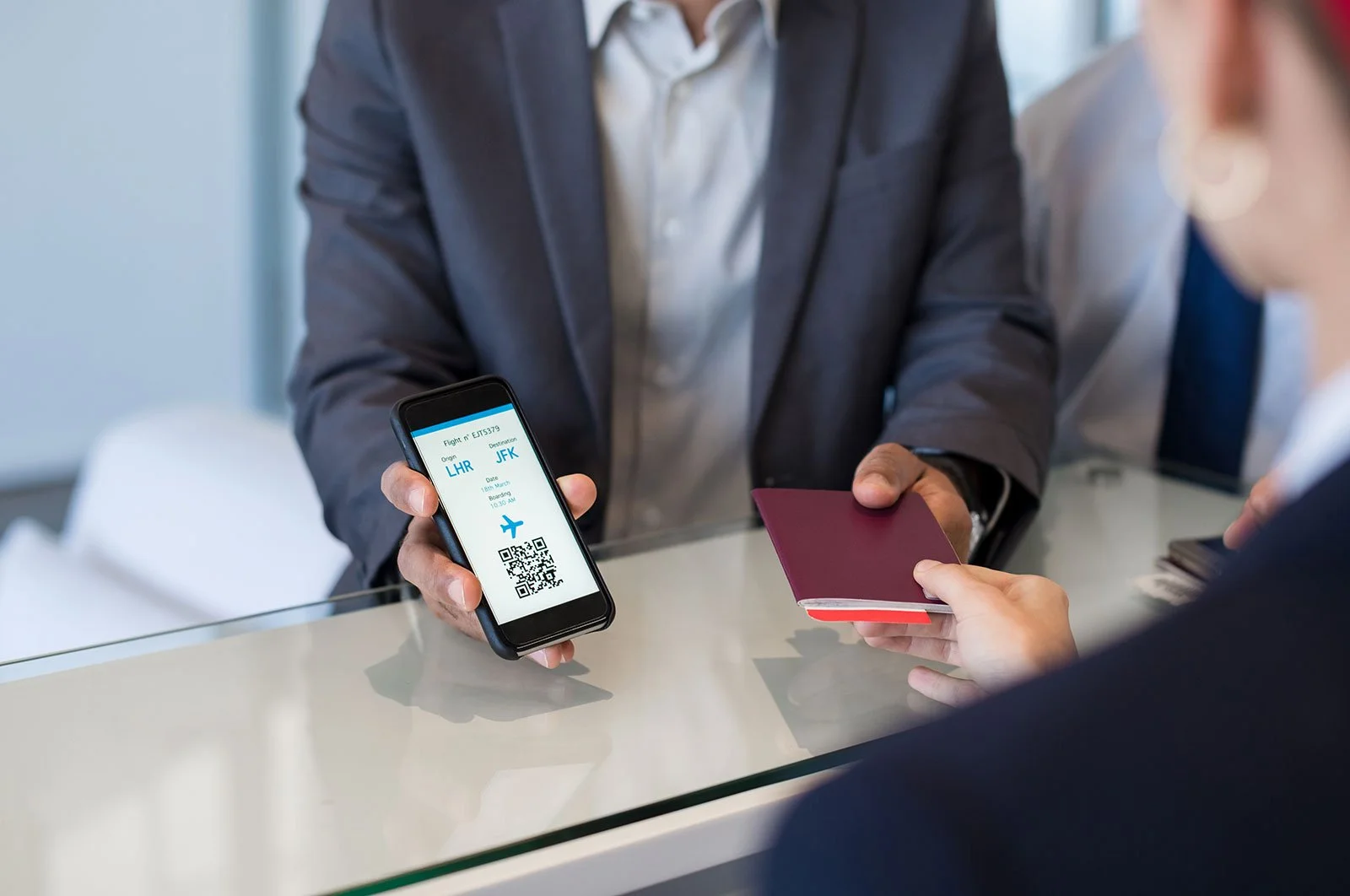
Technology is evolving to reduce friction at every step of the travel experience. This year, contactless check-in, biometric boarding and mobile itineraries are becoming the standard, making travel faster and more seamless. This will be a welcome change for busy corporate travellers.
And it’s not just navigating the airport, hotels and transport agencies are also adopting digital experiences that support travellers at every stage. This is improving satisfaction and reducing stress.
This is also why it’s important to choose partners with strong technological integration and secure data practices that still prioritise the human element.
3. Advanced digital security will be essential
With more and more corporate travellers relying heavily on mobile devices for everything, from boarding passes to company systems, cybersecurity risks are higher than ever before.
That’s why a proactive, shared approach to cybersecurity will be essential for keeping travellers secure in an increasingly complex digital environment.
Hotels, airports and public Wi-Fi networks remain some of the most popular targets for cybercriminals, making digital safety a critical element of business travel planning in 2026. In order to protect both their teams and corporate data, companies must adopt stronger digital security measures, including:
Biometric authentication on devices and travel apps
End-to-end encryption across all communication platforms
Real-time threat monitoring to detect suspicious activity before, during and after trips
To achieve this, travel managers must work closely with IT and cybersecurity departments to brief travellers before departure, ensuring that their devices are properly protected and providing clear guidance for safe connectivity while working on the road.
4. There will be a stronger focus on risk management and compliance
Global business travel still faces uncertainty from geopolitical shifts, changing border policies and unexpected disruptions. And over half (57%) of travel managers agree that new risks are emerging faster than their companies can deal with.
In response, travel teams will be investing more in real-time traveller tracking, centralised risk dashboards and proactive alerts.
5. Cost saving is the top priority
In 2026, there will be an intensified focus on cost efficiency across travel programmes, with the majority of travel managers citing cost-saving as the top priority for the year ahead. This shift reflects tightening travel budgets over the coming 12 months and a greater demand for spend visibility and control.
For those arranging corporate travel, this means working with the right suppliers, travel agencies and flight consolidators to optimise efficiency and negotiate the best prices.
It also means reducing leakage and leveraging data to monitor spend in real time, all while ensuring travellers have the flexibility they need for productive business trips.
6. There will be continued economic scrutiny and demand management
Though tighter budgets may be around the corner, global corporate travel spending is on track for continued growth in the new year, but with tight scrutiny. Finance teams are challenging travel managers to justify every detail of the trip with measurable outcomes, not just cost alone.
Tools that offer advanced analytics linking travel spend with business results, employee sentiment and carbon impact will be essential to help leaders make smarter travel decisions.
7. Sustainability will be integrated into travel policy
Environmental responsibility isn’t just a corporate buzzword anymore; it will be a central part of corporate travel next year. Businesses are embedding sustainability directly into travel policies by encouraging lower-carbon transport options, fewer short-haul flights and carbon budgeting for teams and departments.
These shifts in company policy will help organisations to make measurable progress toward their net-zero commitments, while still meeting commercial goals around travel.
Travel managers must be conscious of partnering with suppliers who provide transparent emissions data as a standard part of the booking process.
8. Loyalty programmes enter a new phase of reinvention
With money on the mind, travel loyalty programmes are also undergoing a quiet but significant transformation next year.
As airlines and hotels adjust their financial models, many have started to devalue points, tighten earning rules or shift redemption structures, prompting business travellers to rethink how they approach loyalty schemes and their chosen providers in 2026.
Rather than focusing purely on spend-based rewards, the next generation of loyalty programmes is moving toward greater flexibility, personalised benefits and real-world relevance.
This means travellers can expect more programmes that prioritise meaningful, experience-led rewards, flexible status pathways and benefits tailored to traveller behaviour rather than just booking volume.
This evolution looks sure to influence buying behaviour. For corporates, this shift reinforces the need to balance loyalty preferences with cost, policy compliance and sustainability, ensuring that traveller satisfaction doesn’t lead to unnecessary spending.
9. Purposeful travel will embrace the rise of “slow business travel”
The shape of business travel is continuing to evolve, driven both by shifting corporate priorities as well as the growing influence of Gen Z in the workforce. In 2026, Gen Z are predicted to make up between 30-39% of the workforce, and they are reshaping expectations around how business travel should look.
As a result, companies will be moving away from quick, one-day trips and moving towards more intentional, higher-value trips. This includes longer stays, multi-purpose visits and combining meetings, training sessions and employee rewards into a single itinerary.
This approach can enhance the ROI of each trip, but also supports sustainability goals by reducing the overall number of trips being taken every year.
This new generation and the move towards slower travel are reshaping expectations around how corporate travel should look. This generation places a strong emphasis on environmental responsibility and is far more open to slower, more steady options.
Together, these trends reflect a broader shift towards purposeful, conscientious travel.
What this means for your travel strategy
To stay ahead in 2026, companies should focus on updating their travel policies, making sustainability and well-being clear priorities within approval rules. Some other important ways to reshape your corporate travel management include:
Real-time visibility: Using tools that provide live traveller tracking and reporting
Embracing smart automation: Applying AI where it adds efficiency, but maintaining audit controls
Selecting the right partners: Choosing suppliers with transparent data, strong tech and robust safety standards
Measuring what matters: Going beyond cost reporting to include traveller feedback, carbon impact and trip effectiveness data
Corporate travel is more strategic than ever before, and 2026 isn’t about revolution; it’s about maturing. Companies that adopt smarter technology, embed sustainability, and prioritise traveller well-being will be best placed to support business goals in the new year.
They must make careful choices when choosing the right tools and tech, as well as selecting the right suppliers. Prioritise those who are transparent, fair and most get the balance right between tech and the human touch.
For bespoke support with your corporate travel arrangements and for help booking group flights, contact the expert team of flight specialists at BTG Travel today.